For patients considering facial fat transfer, recovery is often one of the most important parts of the decision.
Facial fat grafting uses your own purified fat to restore softness, balance, and youthful facial contour. Because the procedure involves both facial placement and a small donor area where fat is harvested, healing happens in more than one place at the same time.
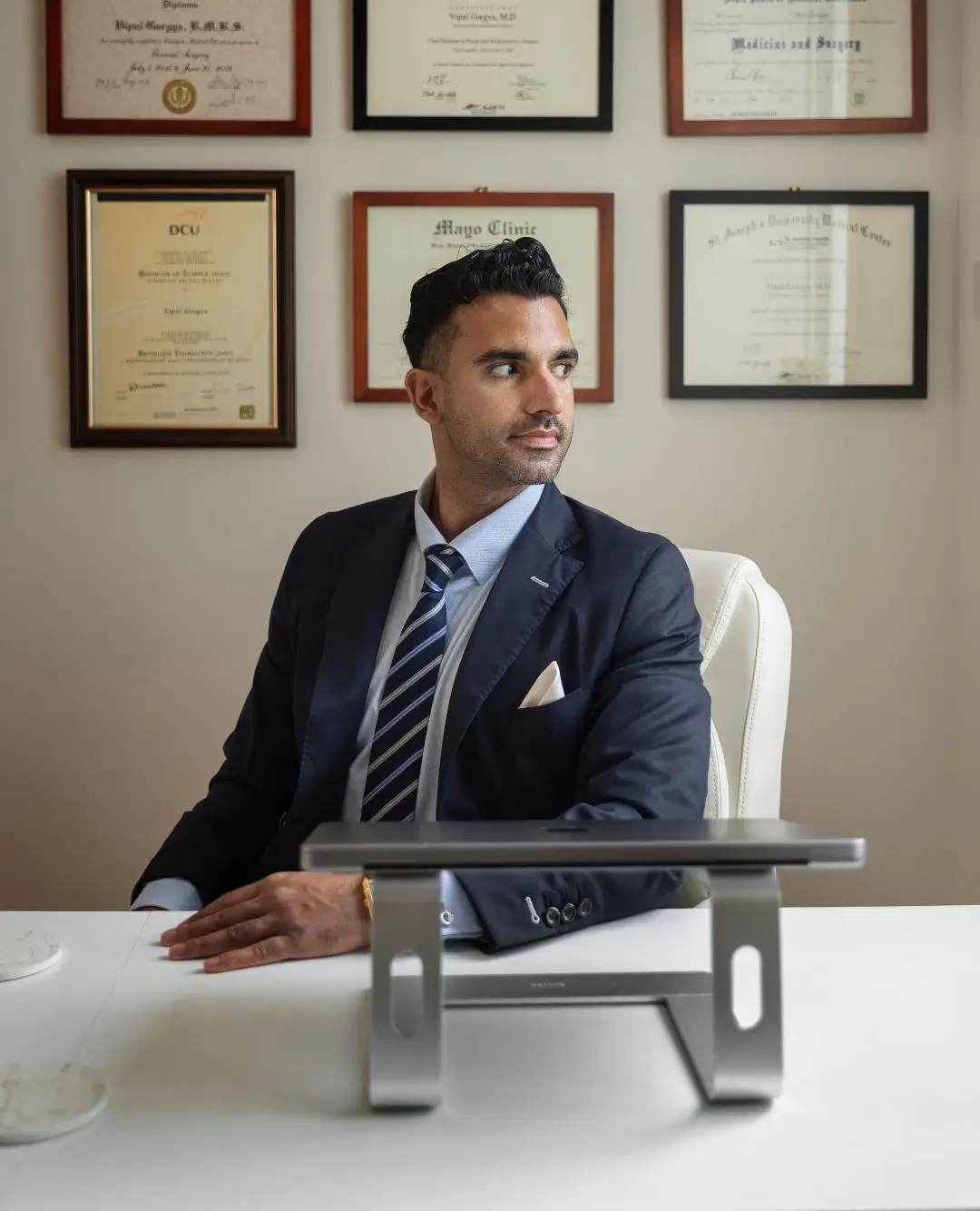
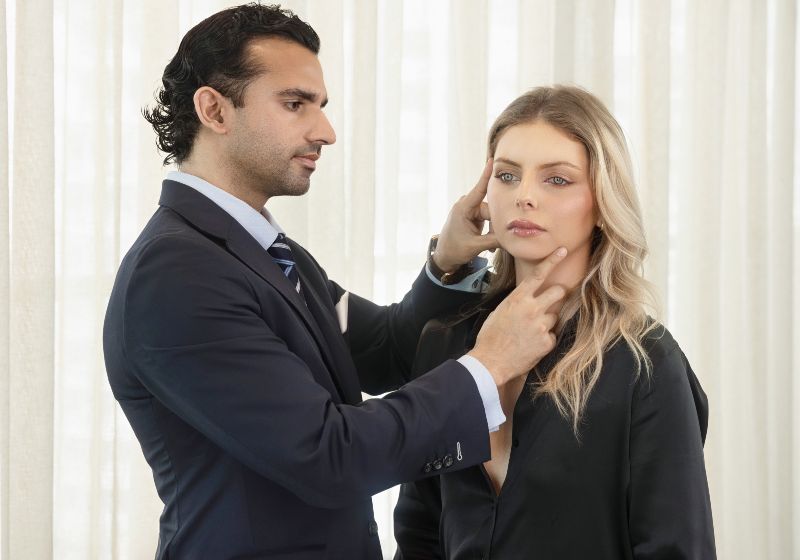
At VG Signature in Tampa, Dr. Vipul Gargya performs facial fat transfer through his Cellular Revive™ approach, designed to restore natural volume with restraint, precision, and long-term facial harmony.
This guide explains what to expect during recovery, when swelling typically improves, when most patients return to normal routines, and when final results begin to emerge.
Facial Fat Transfer Recovery Timeline: What to Expect

The First 24 to 72 Hours
The first few days are usually when swelling and fullness are most noticeable.
Your face may look fuller than expected at this stage. This is normal and reflects early swelling, fluid shifts, and the freshly transferred fat. Mild bruising, tenderness, and tightness can also occur. The donor area, often the abdomen, thighs, or flanks, may feel sore or bruised, similar to a small liposuction recovery.
During this period, patients should rest, keep the head elevated, avoid strenuous activity, and follow all post-operative instructions closely.
This is not the time to judge the final result. The early appearance is temporary and will continue to refine as swelling settles.

Days 3 to 7
By the end of the first week, most patients begin to feel more comfortable.
Facial swelling is still present, but it typically starts to soften. Bruising may begin to fade or shift in color. The donor site may still feel tender, but most discomfort is manageable and gradually improves.
Many patients are able to return to light daily activities within a few days, depending on the extent of the procedure and whether facial fat transfer was performed alone or combined with another procedure.
At VG Signature, facial fat grafting is often performed as part of a larger facial rejuvenation plan, such as a facelift, neck lift, lip lift, or blepharoplasty. When procedures are combined, the recovery timeline may be longer.

Week 2
By the second week, most visible swelling and bruising have improved significantly.
Many patients feel comfortable being seen socially at this stage, especially with light makeup if permitted. The face may still look slightly full, but the early “puffy” appearance usually becomes less noticeable.
The transferred fat is beginning the important process of integration. During this phase, some swelling resolves and some of the transferred fat naturally absorbs. This is expected. Dr. Gargya accounts for this normal healing pattern when planning facial fat transfer.

Weeks 3 to 6
During weeks three through six, facial contours continue to refine.
The face usually looks more balanced, softer, and more natural. Residual swelling may still come and go, especially in the morning or after salty meals, travel, exercise, or increased activity.
This is also when patients often begin to notice improvement in facial harmony rather than just volume. Cheeks may look softer, under-eye hollows may appear less tired, and the overall face may look more rested.
Although the face may look very good by this point, the healing process is still ongoing.

Months 3 to 6
Most patients see a more stable result between three and six months.
By this stage, swelling has largely resolved and the surviving fat cells have become more established. The result should look soft, natural, and integrated with your own facial anatomy.
Facial fat transfer is different from filler because the goal is not temporary volume. The goal is long-term restoration using your own tissue. Once the transferred fat establishes a blood supply, a portion of it can remain long term.
At VG Signature, the objective is not to overfill the face. The goal is to restore what aging has depleted, while preserving your natural proportions and expression.
Read More About: Facial Fat Transfer vs Botox: What Is the Difference?
When Can I Return to Work After Facial Fat Transfer?
Many patients return to desk work or light work within a few days after facial fat transfer, depending on bruising, swelling, comfort level, and whether additional procedures were performed.
For patients who are comfortable with mild swelling or work remotely, the return may be sooner. For patients in public-facing roles, or those who want to look more socially presentable, planning for about one week is often more realistic.
If your job involves heavy lifting, bending, intense activity, or physical strain, Dr. Gargya may recommend a longer restriction period.
When Will I Look Normal After Facial Fat Transfer?
Most patients begin to look more presentable within 7 to 14 days.
That said, “normal” depends on the amount of fat transferred, the areas treated, your natural healing response, and whether facial fat transfer was combined with other facial procedures.
Early swelling can make the face look temporarily fuller than the final result. This is expected. Over the next several weeks, swelling decreases and the transferred fat begins to settle into a softer, more natural contour.
What Areas Heal After Facial Fat Transfer?
Facial fat transfer recovery involves two healing zones:
1. The Face
The treated areas may include the cheeks, temples, under-eyes, jawline, lips, nasolabial folds, or other areas of facial volume loss. Swelling, bruising, and temporary firmness can occur.
2. The Donor Site
Fat is usually taken from a small area such as the abdomen, thighs, or flanks. This area may feel sore, bruised, or swollen for several days. Because only a small amount of fat is needed for facial grafting, donor-site recovery is usually limited compared with larger-volume liposuction.
What Can Slow Facial Fat Transfer Recovery?
Several factors can interfere with healing or prolong swelling, including:
- Smoking or nicotine use
- Poor nutrition
- Dehydration
- Excessive alcohol intake
- Too much activity too soon
- Not sleeping with the head elevated early in recovery
- Skipping follow-up appointments
- Not following post-operative instructions
- Medical conditions that affect healing
The best recovery comes from restraint, patience, and following your surgeon’s instructions closely.
How Long Do Facial Fat Transfer Results Last?
Facial fat transfer is designed to be longer lasting than injectable filler.
Not every transferred fat cell survives, which is normal. However, the fat that successfully integrates can remain long term. This is why facial fat grafting is often appealing for patients who want natural restoration without repeated filler maintenance.
The face will continue to age, but many patients enjoy long-lasting improvement in facial softness, contour, and balance.
Also Read: Facelift vs Fillers
Facial Fat Transfer Recovery Timeline Summary
Why Choose VG Signature for Facial Fat Transfer Recovery in Tampa?
Facial fat transfer is not simply a volume procedure. It requires judgment, restraint, and a deep understanding of facial anatomy.
Too little fat may fail to restore meaningful softness. Too much fat can make the face look heavy, distorted, or overfilled. The artistry lies in knowing where to place fat, how much to use, and how to preserve natural facial identity.
At VG Signature, Dr. Vipul Gargya performs facial fat transfer through Cellular Revive™, a refined approach focused on natural facial restoration, skin quality, and long-term harmony. Each plan is customized to the patient’s anatomy, aging pattern, and aesthetic goals.
The goal is not to make you look different. The goal is to make you look rested, balanced, and unmistakably yourself.
Helpful Facial Fat Transfer Resources
Frequently Asked Questions About Facial Fat Transfer Recovery
Q.1 How painful is facial fat transfer recovery?
Answer: Most patients describe facial fat transfer recovery as mild discomfort rather than severe pain. The face may feel swollen, tight, or tender, and the donor site may feel sore or bruised. Discomfort usually improves over the first several days.
Q.2 How long does swelling last after facial fat transfer?
Answer: Swelling is most noticeable during the first week and improves gradually over the next several weeks.
Q.3 Can I sleep on my side after facial fat transfer?
Answer: Patients are usually advised to sleep on their back with the head elevated during the early recovery period. This helps minimize swelling and protects the treated areas while the fat is beginning to integrate.
Q.4 When can I exercise after facial fat transfer?
Answer: Light walking is usually encouraged early, but strenuous exercise should be avoided until cleared by Dr. Gargya. Returning to intense activity too soon can worsen swelling or interfere with healing.
Q.5 Will all of the transferred fat survive?
Answer: No. Some fat absorption is expected after facial fat transfer. The fat that successfully develops a blood supply can remain long term. This is why technique, careful handling, and precise placement are important.
Q.6 When will I see my final facial fat transfer results?
Answer: Most patients see significant improvement within several weeks, but final results usually become clearer around three months.
Q.7 Is facial fat transfer recovery different from filler recovery?
Answer: Yes. Filler recovery is usually shorter because it does not involve fat harvesting or fat integration. Facial fat transfer has a longer healing process, but it can offer a more natural and longer-lasting result using your own tissue.
Content medically reviewed by Dr. Vipul Gargya, board-certified plastic surgeon.
Considering Facial Fat Transfer in Tampa?
If you are considering facial fat transfer in Tampa, recovery is only one part of the decision. The quality of the result depends on careful fat harvesting, purification, precise placement, and an understanding of how facial volume changes with aging.
At VG Signature, Dr. Gargya designs each facial fat transfer treatment around the patient’s anatomy, areas of volume loss, facial proportions, and long-term aesthetic goals. The objective is natural restoration that looks soft, balanced, and integrated, rather than heavy or overfilled.


Schedule Your Private Consultation
Discover what natural facial volume restoration can look like when performed with precision, restraint, and an understanding of facial harmony.Meet Dr. Vipul Gargya
Dr. Vipul Gargya is a board-certified plastic surgeon and founder of VG Signature, a couture plastic surgery practice in Tampa known for undetectable facelift results and refined, natural facial rejuvenation.
He is best known for his work in deep plane facelift surgery, where the goal is to restore structure and harmony without creating a pulled or operated appearance. Patients travel nationally and internationally seeking a more precise, anatomy-driven approach to facial rejuvenation.
In addition to facial surgery, Dr. Gargya offers a signature approach to small, proportion-driven breast augmentation, including the VG Ballerina™ technique, a refined, small-volume approach designed for subtle, elegant enhancement rather than excessive fullness.
Each procedure is performed with precision, restraint, and a commitment to results that look like you, only more refreshed, balanced, and aligned.
Serving patients in Tampa, South Tampa, Brandon, Riverview, and throughout the greater Tampa Bay area, as well as nationally and internationally for refined facial and breast surgery