


One of the biggest fears patients have when considering facial rejuvenation is looking like they have had obvious surgery. Many people researching facelift procedures worry about the “pulled,” “tight,” or unnatural appearance often associated with outdated facelift techniques
An undetectable facelift is designed specifically to avoid those outcomes. Rather than tightening skin alone, modern structural techniques reposition the deeper facial support layers to restore youthful structure while preserving natural facial movement and expression.
At VG Signature, Dr. Vipul Gargya focuses on facial rejuvenation that looks refined, balanced, and discreet. The goal is not to look like you had surgery. The goal is to look like yourself, simply refreshed.
Why Some Facelifts Look Pulled or Overdone
Many of the negative facelift results patients fear are the result of older surgical techniques that focused primarily on tightening the skin. When the skin alone is pulled tighter without repositioning deeper facial structures, the face can appear stretched, artificial, or “wind swept.”
This is why patients often search phrases such as:
- pulled facelift
- facelift that looks fake
- overdone facelift
- how to avoid a pulled facelift
These concerns are legitimate. Skin-only facelifts can create tension, distort natural facial movement, and produce results that do not age gracefully.
Modern facelift surgery addresses these problems by restoring the deeper support structures of the face instead of tightening the surface alone.
What Makes a Facelift Look Natural
A natural-looking facelift depends on structural repositioning rather than superficial tightening. The key to avoiding the “operated” look is lifting the deeper layers of the face, including the SMAS and platysma, so the skin can drape naturally over restored anatomy.
When performed correctly, a structural facelift can:
- restore the jawline
- lift sagging cheeks
- refine the neck
- soften deep folds around the mouth
All while preserving natural expression and movement.
This is why techniques such as the deep plane facelift and high-SMAS facelift have become the gold standard for natural facial rejuvenation.
What Is an Undetectable Facelift
An undetectable facelift is not a separate procedure. It is the outcome of a properly executed structural facelift technique.
The goal is simple: the face should look naturally refreshed without visible signs of surgery.
When facial tissues are repositioned rather than tightened, the result appears balanced, relaxed, and harmonious. Patients often hear comments such as:
- “You look rested.”
- “You look great.”
- “You look younger.”
But rarely, “Did you have a facelift?”
At VG Signature, this philosophy is expressed through the CouturaLift™, Dr. Gargya’s refined approach to deep-plane facial rejuvenation.
Deep Plane Facelift vs Traditional Facelift
The difference between traditional facelift surgery and deep plane facelifttechniques lies in the level of anatomical correction.
Traditional facelifts focus primarily on tightening the skin and superficial layers. While this can temporarily improve appearance, the results often look tight or unnatural.
Deep plane facelift techniques release and reposition the deeper facial structures. This allows the midface, jawline, and neck to move together naturally, creating smoother contours and more durable results.
Because the underlying anatomy is restored, the face ages more gracefully after surgery.
How to Avoid a Pulled Facelift
Patients searching for natural facelift results often ask the same question: how do I avoid a pulled facelift?
The answer depends largely on surgical technique and surgeon specialization.
Several factors help create natural results:
- choosing a surgeon who specializes in facial rejuvenation
- using deep plane or high-SMAS techniques
- avoiding excessive skin tension
- maintaining natural facial proportions
When these principles are followed, facelift surgery enhances facial harmony rather than changing identity.
Who Is a Candidate for a Natural Facelift
Facelift patients today are often seeking surgery earlier than in previous decades.
Many individuals in their 40s and 50s pursue facial rejuvenation before aging changes become severe. Addressing early structural descent can produce extremely natural outcomes because less correction is required.
Common concerns that lead patients to consider a facelift include:
- early jowls
- loss of jawline definition
- neck laxity
- midface descent
By addressing these structural changes earlier, patients often achieve results that are more subtle and longer lasting.
Board Certified Plastic Surgeon, more than 10,000 surgical procedures performed
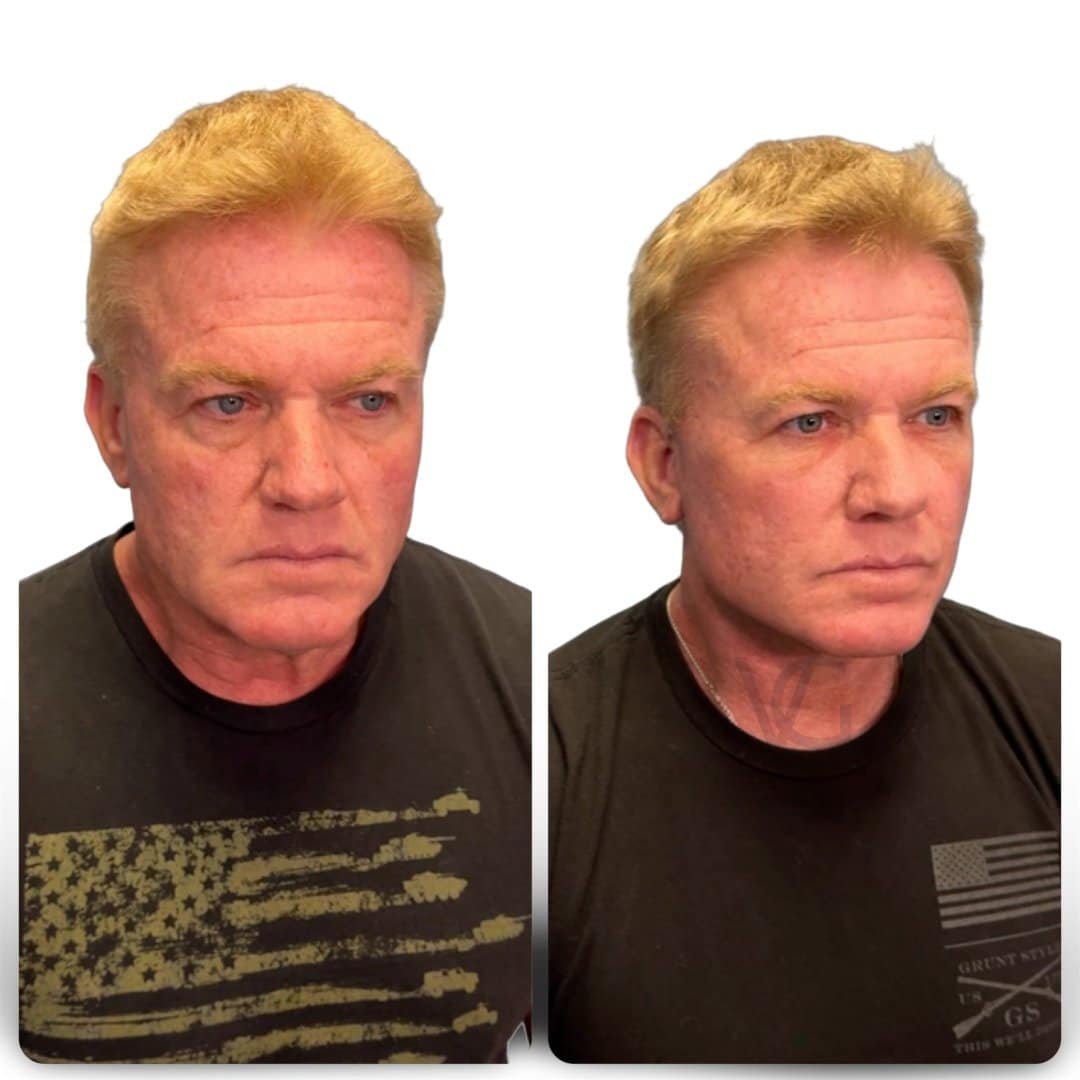
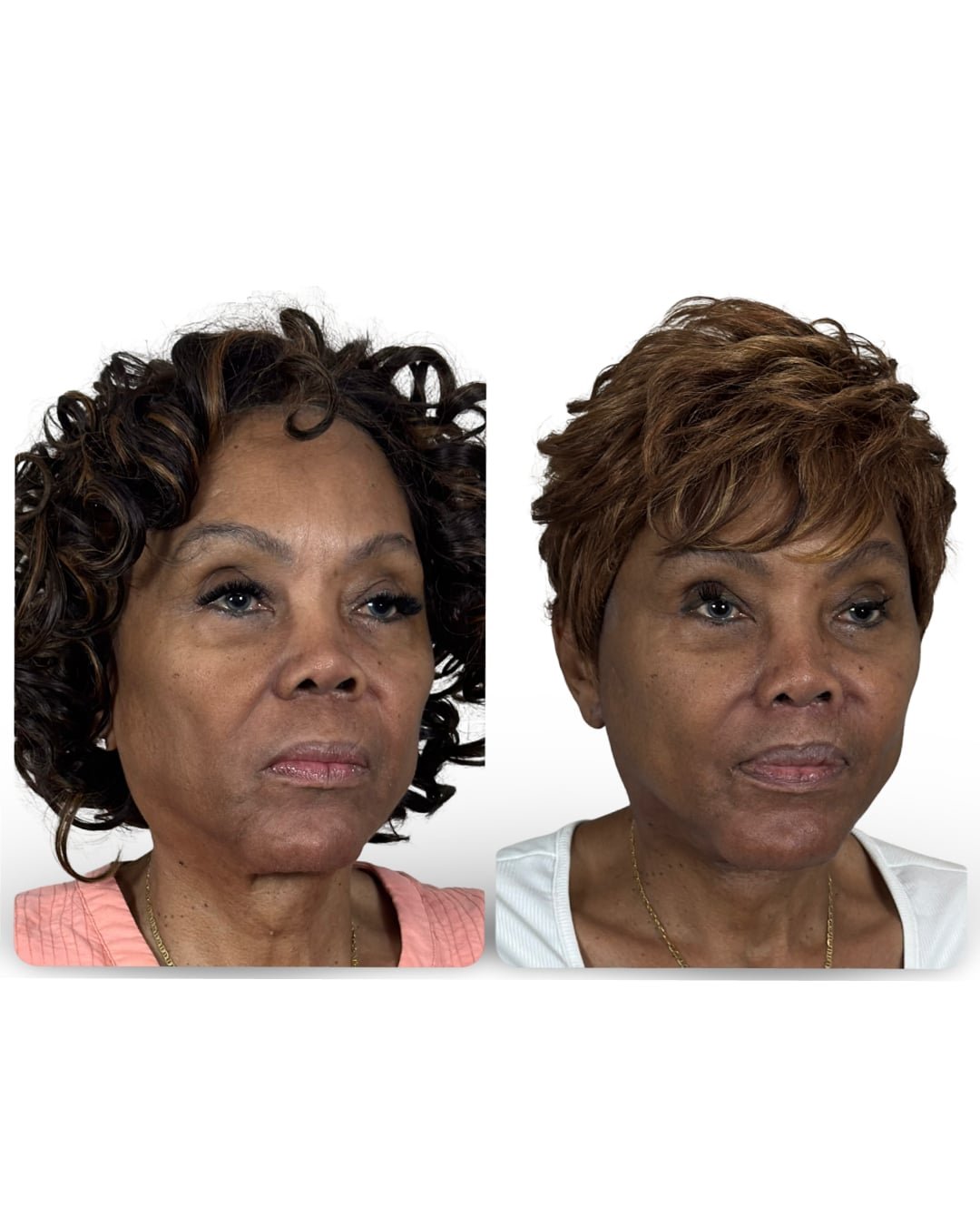
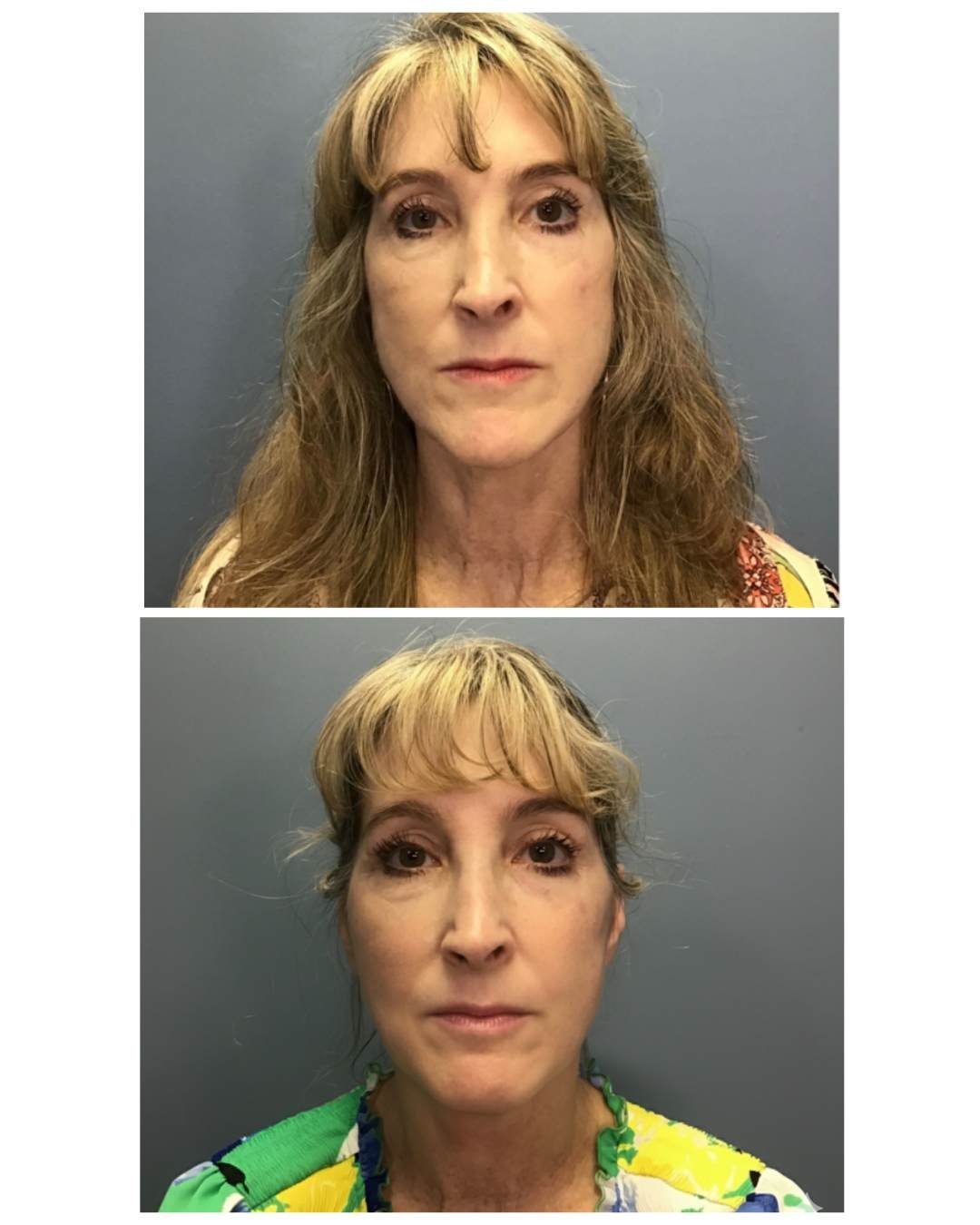
Natural Facelift Before and After Results
The most important measure of a facelift’s success is whether the result appears natural. Well-performed structural facelifts restore youthful contour while preserving the unique identity of the patient’s face.
Natural facelift results should show:
- improved jawline definition
- smooth neck contour
- restored cheek position
- balanced facial proportions
Without visible signs of surgical manipulation.


VG Signature Methodology
Each procedure is approached as a bespoke design process. Dr. Vipul Gargya evaluates structural anatomy, aging patterns, and aesthetic balance to tailor a technique uniquely for each patient. No two surgeries are ever the same, and this couture methodology produces results that are harmonious, precise, and unmistakably VG Signature.
Frequently Asked Questions About Undetectable Facelift
Q.1 How do I avoid a pulled facelift?
Answer: Choosing a surgeon experienced in structural facelift techniques such as deep plane or high-SMAS facelifts is one of the most important factors. These techniques reposition deeper tissues rather than tightening skin alone.
Q.2 What is the most natural facelift technique?
Answer: Modern structural approaches such as deep plane facelifts are considered among the most natural techniques because they restore facial anatomy rather than creating surface tension.
Q.3 Do deep plane facelifts look more natural?
Answer: Yes. Deep plane techniques reposition deeper facial layers, which allows the skin to redrape naturally and avoids the tight or wind-swept appearance associated with older techniques.
Q.4 At what age should you get a facelift?
Answer: Many patients now consider facelift surgery in their 40s or early 50s to address early signs of aging before structural descent becomes advanced.
Content medically reviewed by Dr. Vipul Gargya, board-certified plastic surgeon.
Begin Your VG Signature Transformation
Refinement starts with a conversation. Schedule a personal consultation and discover what your one-of-one result could look like.


Meet Dr. Vipul Gargya
Dr. Vipul Gargya is a board-certified plastic surgeon and the visionary founder of VG Signature, a couture plastic-surgery destination where transformation is both science and art. Known for his precision, restraint, and bespoke approach, Dr. Gargya specializes in facial plastic surgery, facelifts, facial fat grafting, neck lift, chin and neck liposuction, breast augmentation, arm lift, tummy tuck, and advanced body contouring. Each result reflects a mastery of proportion and harmony, achieved through elite surgical training and an uncompromising dedication to detail. Every patient experience is deeply personal, crafted to restore confidence that feels authentic, not altered.


